🫀 What is VSD?
A Ventricular Septal Defect (VSD) is a hole in the wall separating the two lower chambers of the heart (ventricles). It causes oxygen-rich blood to mix with oxygen-poor blood.
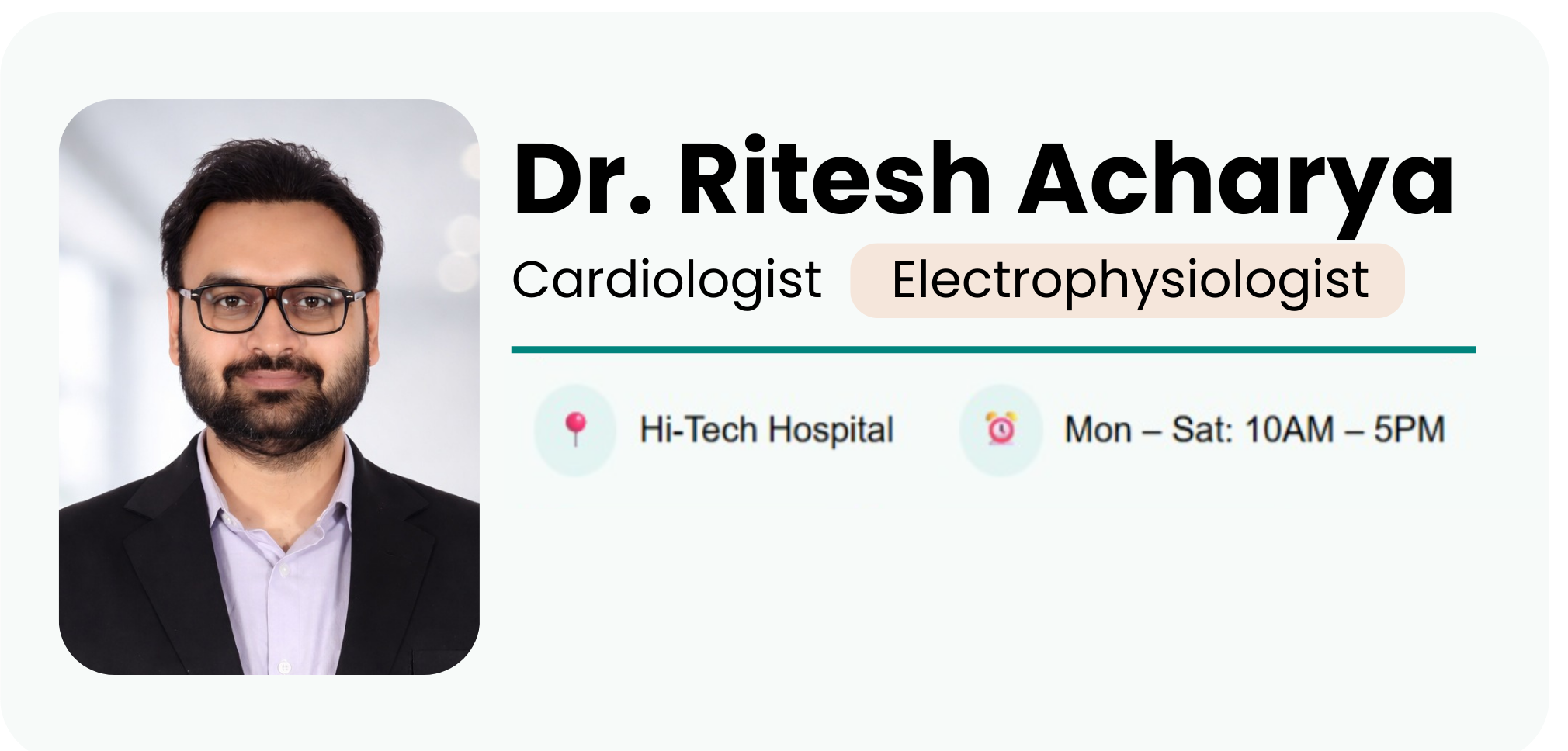
VSD device closure is a catheter-based, minimally invasive procedure that closes the defect without open-heart surgery, allowing faster recovery and excellent outcomes.

Types of VSD
- Perimembranous VSD (most common)
- Muscular VSD (best suited for device closure)
- Subpulmonic / Outlet VSD
- Inlet VSD
Who Needs VSD Device Closure?
- Failure to thrive in infants
- Frequent respiratory infections
- Large left-to-right shunt
- Left heart chamber enlargement
- Pulmonary hypertension (early, reversible)
- Previous infective endocarditis
Procedure Overview: Transcatheter VSD Device Closure
Step-by-step:
- General anesthesia (especially in children)
- Catheter inserted through the femoral vein/artery
- Crossing the VSD using guidewires
- A double-disc nitinol occluder device is deployed
- Device seals the VSD completely
- No stitches — only a small puncture site
- ⏱ Duration: 60–120 minutes
- 🛏 Hospital Stay: 1–2 days