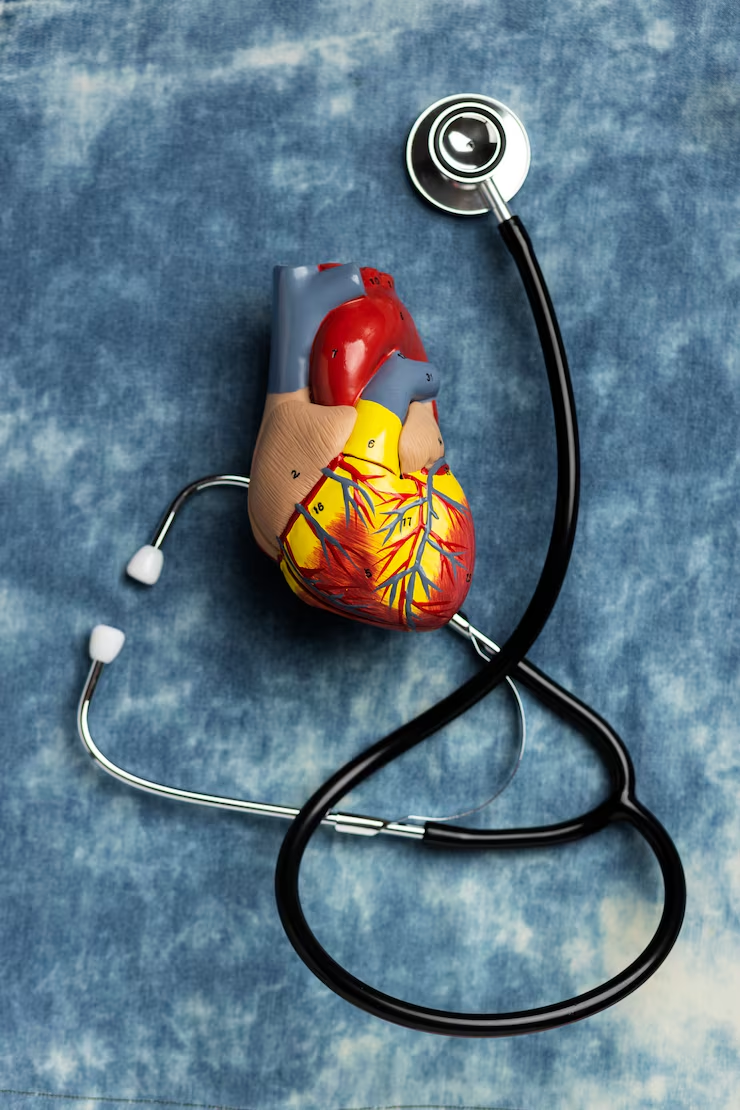
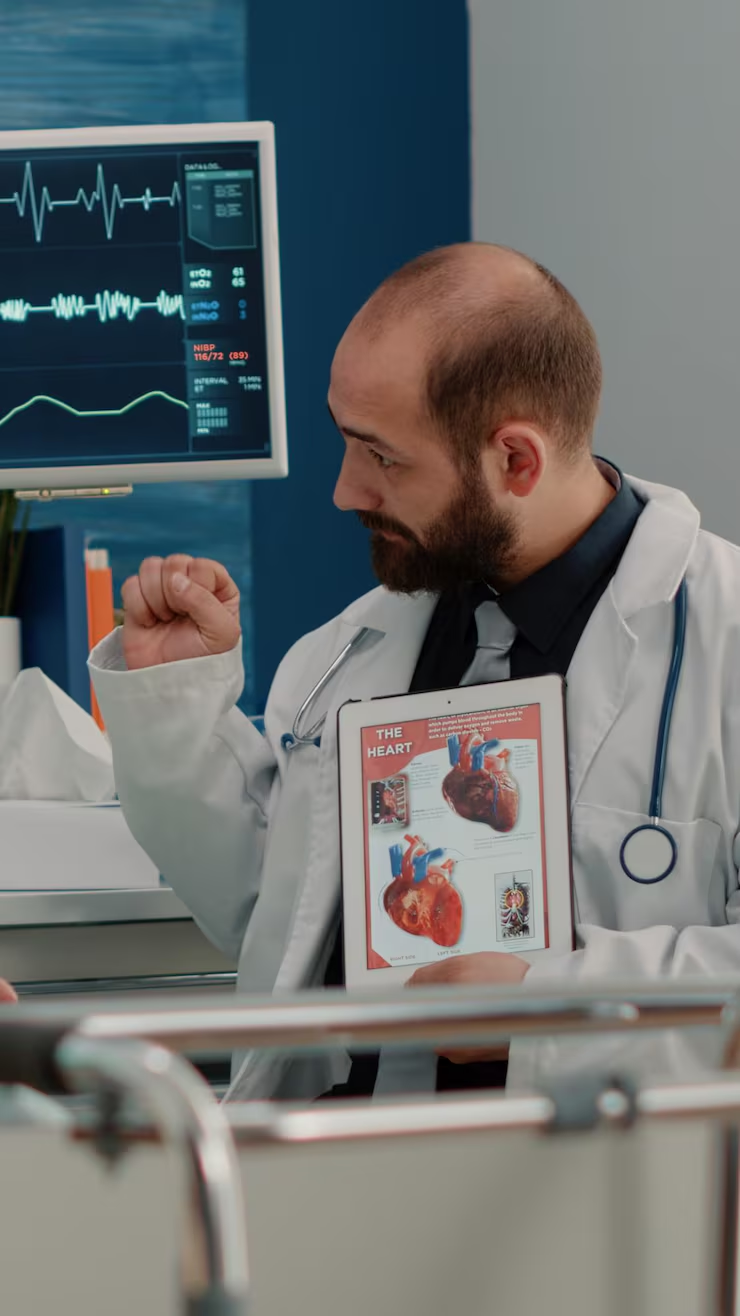
Heart failure (HF) is a chronic condition in which the heart cannot pump blood efficiently. With the right medical care, lifestyle changes, and regular monitoring, most patients can lead active and meaningful lives. Heart failure management today follows guideline-directed medical therapy (GDMT) from international societies (AHA/ACC/ESC/ISH). Our approach combines the latest evidence with personalized care.
Heart failure happens when the heart is unable to pump enough blood to meet the body’s needs. It can affect the left side, right side, or both. Timely diagnosis and treatment lead to better outcomes.
What is Heart Failure?
Heart failure occurs when the heart becomes too weak or too stiff to pump blood. It may affect:
- The left ventricle (most common)
- The right ventricle
- Both sides of the heart
- Types of heart failure:
- HFrEF: Heart Failure with Reduced Ejection Fraction (EF < 40%)
- HFmrEF: EF 41–49%
- HFpEF: Heart Failure with Preserved EF (EF ≥ 50%)
- Acute Heart Failure: Sudden worsening of symptoms
- Chronic Heart Failure: Long-term condition needing continuous care
Symptoms of Heart Failure
- Shortness of breath
- Leg swelling
- Fatigue and weakness
- Rapid heart rate
- Abdominal bloating
- Difficulty sleeping flat
- Persistent cough
- Sudden weight gain
Heart Failure Management: Our Comprehensive Approach
Modern HF care includes medications, device therapy, lifestyle changes, and close monitoring.
Guideline-Directed Medical Therapy (GDMT)
The 4 Pillars of Heart Failure Treatment (HFrEF) We follow evidence-based therapies proven to reduce mortality and hospitalizations:
- ARNI (Sacubitril–Valsartan): First-line therapy for suitable patients to improve symptoms and ejection fraction (EF)
-
Beta Blockers:
- Carvedilol
- Bisoprolol
- Metoprolol succinate
-
Mineralocorticoid Receptor Antagonists (MRA):
- Spironolactone
- Eplerenone
-
SGLT2 Inhibitors:
- Dapagliflozin
- Empagliflozin
Device Therapy
Devices improve survival in selected patients:
- ICD (Implantable Cardioverter Defibrillator): Prevents sudden cardiac death in patients with low ejection fraction (EF)
- CRT (Cardiac Resynchronization Therapy): Improves heart function in patients with wide QRS or ventricular dyssynchrony
- CRT-D (Cardiac Resynchronization Therapy + Defibrillator): Recommended for patients requiring both resynchronization pacing and shock protection
- LVAD (Left Ventricular Assist Device): Used in advanced heart failure not responding to optimal medical therapy
Interventional & Surgical Treatments
- Coronary angiography & revascularization
- Mitral or tricuspid valve repair or replacement
- TAVI (Transcatheter Aortic Valve Implantation) in selected cases
- Pericardiocentesis if pericardial effusion is contributing to heart failure
- Management of myocarditis or cardiomyopathies
Lifestyle Management
Diet
- Low salt intake (<2 g/day)
- Fluid restriction (1.5–2 L/day in advanced heart failure)
- Avoid alcohol and smoking
- High-fiber, heart-healthy diet
Exercise
- Cardiac rehabilitation
- Regular walking
- Strength training under supervision
- Avoid sudden intense exertion
Weight Monitoring
- Daily morning weight
- Report weight gain of more than 2 kg within 2–3 days
Sleep & Stress
- Evaluate for sleep apnea
- Stress reduction techniques
- Adequate rest
Monitoring & Follow-Up
Close follow-up prevents deterioration:
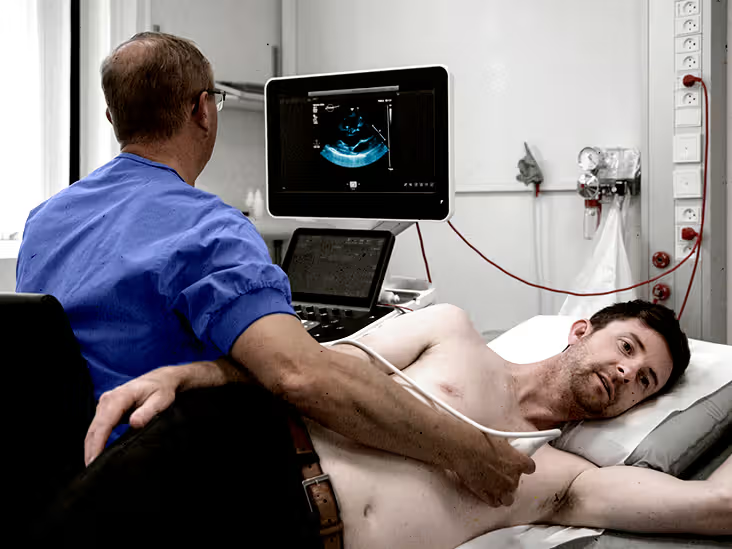
- Regular echocardiography
- Blood tests (BNP/NT-proBNP, renal function, electrolytes)
- Medication dose titration
- Remote monitoring for implanted devices
- Telemedicine review for early warning signs
Heart Failure Prevention and Risk Factor Control
- Strict BP control
- Diabetes management
- Cholesterol optimization
- Weight loss in obesity
- Avoiding NSAIDs & harmful medications
When to Seek Emergency Care
Seek immediate help if you have:
- Severe breathlessness
- Rapid weight gain
- Fainting or dizziness
- Chest pain
- Swelling not improving
- Confusion or severe fatigue
Not always, but symptoms can be controlled and heart function can improve significantly with proper treatment.
Yes—many patients experience improved EF with GDMT and lifestyle changes.
Supervised exercise is not only safe but beneficial.
Yes—heart failure medications are long-term and essential for stability.